
Texas native plants thrive in harsh conditions, including northern Texas summers averaging just 37 inches of rain annually. Local species withstand drought, resist regional pests, and restore natural ecosystems lost to urban sprawl. Spirit Lake Garden Center, located in Winter Haven, Florida, offers expert advice and supplies for gardeners in various regions, including acclimated, low-maintenance plants that outperform non-native alternatives requiring far more water and care.
Key Takeaways
- Texas native plants thrive in harsh conditions, including arid summers averaging just 37 inches of annual rainfall.
- Over 1,000 plant species flourish in Texas’s low-elevation coastal region spanning 9.5 million acres.
- Native plants resist local insects and environmental stressors without requiring excessive maintenance or chemical interventions.
- Choosing native species restores habitat lost to urban sprawl in Texas specifically.
Why Do Texas Gardens Need Native Plants?
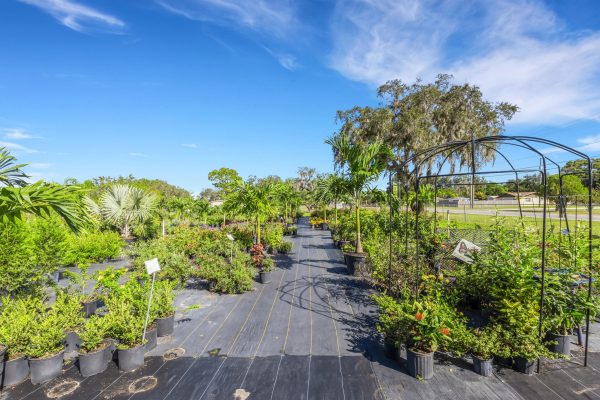 Texas gardens benefit from native plants, which restore habitats lost to urban sprawl. Across the continental United States, sprawl has consumed a staggering 150 million acres of habitat and farmland, a trend that shows no sign of slowing. That loss touches Texas directly, from the Hill Country to the Gulf Coast. Subdivisions and shopping centers now sit on land that once supported diverse plant communities.
Traditional lawns compound the problem. The national obsession with a tightly clipped, “perfect” turf has produced a green monoculture covering more than 40 million acres nationwide. That carpet of grass looks tidy, but it offers little food or shelter, and it functions as an ecological dead zone rather than a living system.
Native plants for garden Tx projects reverse that pattern. Locally adapted species form the ecological foundation that birds, pollinators, and other wildlife depend on for survival, restoring some of what fragmented development has removed.
What Happens When a Texas Yard Skips Native Species?
A yard planted entirely with imported ornamentals rarely supports the insects and birds native ecosystems rely on. Wildlife populations decline nearby, even when the plants themselves stay green and healthy. Choosing regionally native species restores a working link in that food chain.
Plant knowledge built around habitat restoration and drought resilience travels well beyond one state line. It applies directly to the challenges Texas yards face today.
What Makes Texas Native Species So Resilient?
Decades of adaptation to Texas soil, heat, and rainfall patterns give native species their staying power. Northern Texas summers run arid and unforgiving, with average rainfall reaching only 37 inches a year, a threshold that pushes many transplanted ornamentals past their limits. Species that evolved within this climate carry a built-in advantage that imported plants simply cannot match.
Native plants for garden Tx projects thrive because these species already carry the genetic toolkit for local survival. They tolerate long dry stretches, bounce back from summer heat spikes, and resist the insects and predators common to Texas landscapes. That resilience isn’t luck; it’s generations of natural selection at work.
Why do non-native plants struggle in Texas yards?
Non-native species frequently demand more water, fertilizer, and herbicide than the Texas environment naturally supports. These inputs try to compensate for a habitat mismatch the plant never adapted to. Over time, that dependency raises maintenance costs and increases the risk of failure during drought years or sudden cold snaps.
Can non-native plants harm an existing landscape?
Left unmanaged, non-native plants can spread aggressively and crowd out native species already established nearby. Vigilant maintenance becomes non-negotiable once these outsiders take root. Without consistent upkeep, a single imported plant can undo years of careful native landscaping.
The comparison below outlines the practical difference homeowners notice most:
Local expertise from Spirit Lake Garden Center helps homeowners build landscapes suited to their actual climate rather than fighting it season after season.
Which Native Plants Thrive Across Texas Regions?
Texas native plant diversity splits into distinct regional bands, running from salt-sprayed coastal dunes to inland marshes and oak groves. Matching species to region determines whether a Texas yard survives summer drought or fails within a season. Skipping that regional match risks losing plants to heat stress, salt exposure, or soils they were never built to handle.
The Gulf coastal region stretches from Brownsville up to the Louisiana border, according to the Native Plant Database. That stretch covers close to 9.5 million acres. Supports more than 1,000 documented native species, ranging from low dune grasses to hardy flowering vines. Few Texas regions pack that much plant variety into one continuous corridor.
What Grows Along the Texas Gulf Coast?
Barrier islands along the coast hold two very different habitats side by side: sandy dune systems facing the surf and clay flats settling in behind them. Each habitat supports species found almost nowhere else in the state. Beach morning glory anchors many of these dunes, a trailing groundcover that also shows up on tropical shorelines well beyond Texas.
How Does the Landscape Change Moving Inland?
Terrain shifts quickly once the coastline falls away. Vast marshes and wet prairies dominate the middle ground, occasionally broken by groves of scrubby oak. This transition zone rewards gardeners who select native plants for Texas gardens suited to fluctuating moisture rather than the steady salt-air conditions closer to shore.
This regional knowledge helps Texas gardeners select the right native species for each zone, from coastal dunes to inland prairies.
How Do Native Plants Support Wildlife and Save Water?
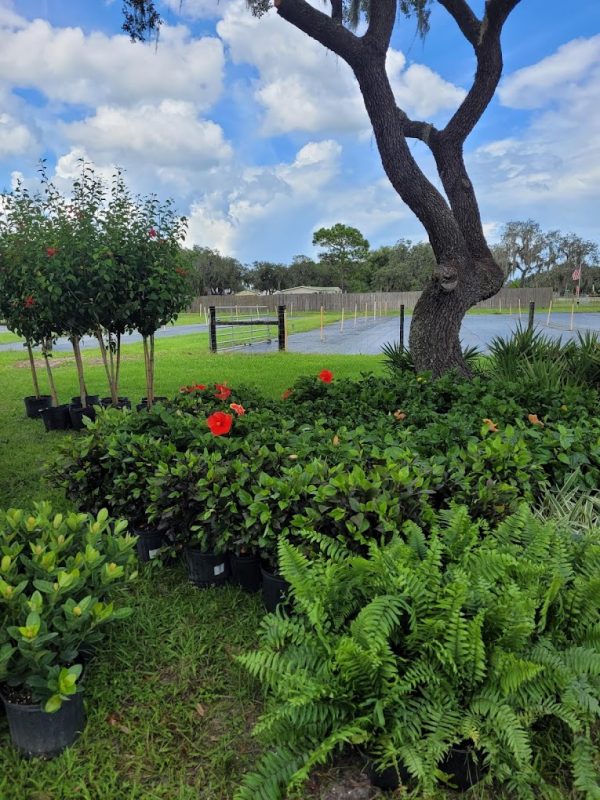 Roots evolved over centuries to match Texas soil. Rainfall give native plants for garden Tx landscapes a working advantage no imported species can match. These plants conserve water naturally, hold soil in place against erosion, and supply habitat and food for pollinators, birds, and small mammals across Texas properties. Skip native species, and a yard loses those built-in ecological connections. Connections that took generations to form and cannot be recreated with a sprinkler system or fertilizer bag.
Texas wildlife depends on plant relationships that exotic ornamentals simply do not offer. Choosing native landscaping over imported alternatives brings local wildlife. Beneficial insects back into a yard, restoring habitat that manicured, non-native lawns push out. Butterflies, native bees, and songbirds all benefit when a landscape includes species they recognize as food and shelter.
Do native plants really need less water?
Yes — once established, native plants require far less irrigation than non-native alternatives because their root systems are built for local rainfall patterns. They also demand minimal ongoing maintenance, sparing homeowners the fertilizer and pesticide routines that many imported ornamentals require. That combination saves water, time, and money season after season.
Is a plant native to Texas even if it grows in other states?
Native status always ties to a specific geographic region, not to the country as a whole. A species native to New England is not automatically native to Texas. Texas gardeners should confirm that a plant occurs naturally in their local region before planting it.
Consider the comparison below:
Spirit Lake Garden Center sources and ships regionally appropriate native selections to Texas properties, helping homeowners rebuild these habitat connections one landscape at a time.
How Can You Start Your Texas Native Plant Garden?
A successful Texas native plant garden starts with matching each species to its natural habitat, not just its appearance on a nursery shelf. Homeowners who choose plants purely for looks, ignoring the conditions those species evolved to survive, often watch their landscapes fail once summer heat or a hard winter freeze arrives. One Texas gardener described this exact pattern: plants coaxed into unsuitable spots either scorched under the sun or froze during cold snaps, year after year. That cycle of loss taught a hard lesson about working with the land instead of against it.
The turnaround came once that same gardener stopped fighting the local climate and started planting species built for it. Switching to regionally adapted plants felt like setting down a heavy burden after years of struggle. That shift illustrates the core principle behind any Native Plants for Garden Tx project: right plant, right place, fewer losses.
Where Should Homeowners Look for Guidance and Plant Selection?
Spirit Lake Garden Center offers Texas gardeners access to a nearly three-acre selection of outdoor. Indoor plants, paired with hands-on expertise for planning a native landscape. Staff guidance helps homeowners avoid the trial-and-error losses that come from guessing at plant compatibility.
Is This Resource Only for Homeowners?
No. Spirit Lake Garden Center welcomes everyday homeowners. Landscape professionals alike, supporting native plant selection for both backyard projects and larger design work. This dual focus makes the center a practical starting point regardless of project scale.
Consider these starting steps:
- Identify sun, soil, and moisture conditions before selecting any plant.
- Prioritize species adapted to Texas heat and periodic freezes.
- Consult experienced staff to narrow choices and avoid costly replacements.
FAQ
Why are native plants better for Texas gardens?
Native plants withstand Texas’s arid summers, which average just 37 inches of rain annually, while resisting regional pests without excessive maintenance or chemical intervention.
What ecological problem do native plants address?
Urban sprawl has consumed 150 million acres of habitat and farmland nationwide. Native plants restore the ecological foundation birds and pollinators depend on for survival.
Can a Florida-based garden center help with Texas native plants?
Spirit Lake Garden Center, located in Winter Haven, Florida, applies its plant knowledge in habitat restoration and drought resilience directly to the challenges Texas yards face.
A Landscape Built to Last
Choosing native plants for your Texas garden represents a commitment to sustainability, beauty, and thriving landscapes that work with nature rather than against it. Local species deliver lasting results through reduced maintenance, lower water demands, and natural resilience to regional climate challenges. By embracing plants adapted to your specific environment, you create outdoor spaces that flourish year after year while supporting the local ecosystem. Your garden becomes a reflection of the landscape’s authentic character—a sustainable sanctuary that rewards your efforts with enduring vitality and natural appeal.

Lily Trinko is a successful entrepreneur and is Spirit Lake Garden Center’s designer. Whether you need ideas for your yard, a suggestion for a highlight in your current landscape, or inspiration for your indoor environment, Lily can create the perfect solution! In this blog, Lily writes on topics of interest to gardeners and homeowners in Polk County. She is the owner of Spirit Lake Garden Center in Winter Haven, Florida.
