Caring for indoor gardenias requires bright, indirect light and consistent humidity to prevent bud drop. Spirit Lake Garden Center recommends keeping soil evenly moist but not waterlogged. These temperamental plants demand stable temperatures between 65-70°F during the day. Gardenia jasminoides, the fragrant Cape jasmine, thrives with regular misting and acidic fertilizer.
Key Takeaways
- Gardenias require daytime temperatures between 68°F and 74°F with a nighttime drop to around 60°F.
- Soil must stay evenly moist with the top half-inch allowed to dry slightly between waterings.
- A pebble tray filled with water beneath the pot boosts humidity without waterlogging the roots.
- Dry indoor air causes flower buds to shrivel before opening and leaf edges to brown.
Why are indoor gardenias so finicky?
Indoor gardenias earn their reputation as temperamental houseplants. Gardenia houseplants are unforgiving in their cultural requirements and often become unhappy when moved from a greenhouse to a typical home, according to the New York Botanical Garden’s houseplant care guidance. The controlled perfection of a nursery environment rarely matches the conditions inside a living room.
The core challenge stems from a mismatch between what gardenias demand and what most homes provide. Gardenias respond best to carefully controlled cool temperatures, high humidity, consistent soil moisture, low pH soil, and very bright filtered sunlight. A single deviation triggers visible distress. Bud drop, yellowing leaves, and failure to rebloom follow quickly when any one of these five conditions falls out of range.
What specific conditions cause indoor gardenias to struggle?
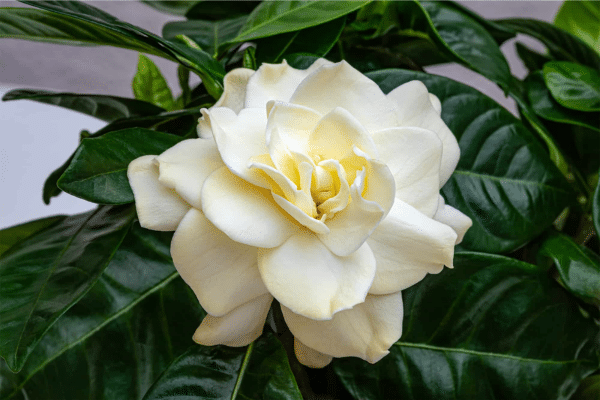
Dry indoor air ranks as the primary culprit. Home humidity levels during winter months fall well below what gardenias need. Gardenias need significantly higher moisture levels around their foliage. Without it, flower buds shrivel before opening.
Temperature swings create another stress point. Gardenias prefer daytime temperatures between 68 and 74 degrees Fahrenheit with a noticeable nighttime drop. Central heating systems eliminate that natural cooling cycle. The plant interprets the constant warmth as a signal to stop flowering.
How does container growing make gardenias more sensitive?
Growing gardenias indoors requires the same care as outdoors, with modifications for planter confines and drier air. Roots in a pot cannot seek out moisture or nutrients the way garden-planted specimens do. Soil pH drifts upward faster in containers as tap water minerals accumulate. A root-bound gardenia in alkaline soil loses access to iron, turning new leaves pale yellow while veins stay green.
Gardenia Indoor Plant Care Tips begin with understanding these sensitivities before attempting solutions. Spirit Lake Garden Center specializes in grafted gardenias and offers expert horticultural guidance for indoor cultivation. The nursery’s indoor gardenia cultivation guide walks growers through the precise adjustments that transform a struggling houseplant into a repeat bloomer.
What light and temperature do gardenias need?
Gardenias require bright light and a precise temperature range to thrive indoors. Daytime temperatures must stay between 68°F and 74°F, while nighttime readings should hover around 60°F.
Without these specific conditions, gardenias drop buds and develop yellow leaves. The plant wastes energy on survival instead of producing the creamy, fragrant blooms that make it so desirable. Gardenia Indoor Plant Care Tips start with mastering this light and temperature balance.
How much light do indoor gardenias need?
Place the gardenia in a location with good bright light. A south-facing or west-facing window works best, providing the intensity these plants demand. Insufficient light causes leggy growth and prevents flowering altogether.
What temperature range supports healthy gardenia growth?
Maintain daytime temperatures between 68°F and 74°F. Night temperatures should drop to around 60°F. This nighttime cooldown allows the plant to rest, but drastic thermal stress causes damage. Spirit Lake Garden Center is located in Winter Haven, Florida, US. Spirit Lake Garden Center has 10 employees.
Why does nighttime temperature matter for gardenias?
Lowering heat at nighttime lets the plant sleep and recover. A consistent 60°F night temperature supports bud formation and healthy foliage. Sudden swings between hot and cold stress the plant. Keep gardenias away from drafty windows, heating vents, and exterior doors where temperatures fluctuate rapidly.
How should I water and humidify my gardenia?
Proper watering and humidity control determines whether an indoor gardenia thrives or fails. Gardenias respond best to carefully controlled, consistent soil moisture, high humidity, and cool temperatures. Without these conditions, plants quickly develop bud drop, yellowing leaves, and stunted growth.
How often should I water an indoor gardenia?
Soil should be kept evenly moist but never soggy. Allow the top layer to dry out slightly between waterings. Overwatering causes root rot. Underwatering stresses the plant and triggers leaf loss.
Follow these steps for correct watering:
- Check the soil surface daily with a fingertip. Water when the top half-inch feels dry.
- Apply water directly to the soil, not the foliage. Overhead watering invites fungal problems.
- Water thoroughly until liquid drains from the pot’s bottom holes.
- Discard any water that collects in the saucer. Never let the pot sit directly in standing water.
A shallow tray filled with pebbles and water placed beneath the pot creates a humidity island. The pot rests on the pebbles above the water line, keeping roots from getting waterlogged while boosting moisture in the air around the leaves.
Why does my gardenia need high humidity indoors?
Typical home air is far too dry for gardenias. These plants evolved in humid tropical and subtropical regions. Low humidity causes leaf edges to brown and flower buds to drop before opening.
Misting provides only temporary relief. A pebble tray offers steadier results. Grouping houseplants together also raises local humidity as leaves release moisture. For homes with forced-air heating, a room humidifier placed near the plant delivers the most reliable humidity control.
Gardenia Indoor Plant Care Tips from the experts at Spirit Lake Garden Center emphasize that consistent moisture and humidity matter more than any other care factor. A gardenia that dries out even once often never fully recovers. Maintaining steady conditions prevents the stress that ruins blooms and foliage.
What soil and fertilizer keep gardenias blooming?
Gardenias demand acidic soil to produce their signature creamy blooms. Without that low-pH foundation, the plant locks out essential nutrients and flowering stops entirely.
Why does soil pH matter so much for indoor gardenias?
Gardenias respond best to carefully controlled conditions, including care with preserving low pH soil. When pH drifts too high, iron and magnesium become unavailable. Leaves yellow between the veins. Buds form but drop before opening. A quality potting mix labeled for acid-loving plants provides the right starting point. Spirit Lake Garden Center stocks blends suited to these exact requirements.
What type of fertilizer encourages the most flowers?
Use a fertilizer formulated for acid-loving plants to maintain proper soil pH and encourage blooms. Most gardenias bloom from late spring into early summer, and some varieties rebloom sporadically through summer. Feeding supports that extended performance. Apply the fertilizer at half strength every two to four weeks during active growth. Stop feeding in fall and winter when growth slows.
Spirit Lake Garden Center carries organic plant food options suitable for acid-loving plants like gardenias. The 1.5-pound OrganiGain product is OMRI certified and delivers steady nutrition without the salt buildup that damages tender roots. Consistent feeding paired with acidic soil keeps gardenias pushing out new buds across their blooming window.
How do I fix bud drop and yellow leaves?
Bud drop and yellow leaves signal environmental stress in gardenias. These plants are temperamental and difficult to bring back into flower once buds fall, so swift correction matters.
Gardenia houseplants arrive from precise greenhouse environments. When introduced to a typical home setting, the plants gradually become unhappy. Many growers discard them as temporary plants after the first bloom cycle fails. Spirit Lake Garden Center helps customers reverse this pattern through targeted adjustments.
Why do gardenia buds fall off before opening?
Bud drop stems from three common triggers. Inconsistent watering, low humidity, and temperature fluctuations each cause developing buds to abort. Gardenias respond best to carefully controlled, cool temperatures and consistent soil moisture. A single missed watering or a draft from a heating vent often triggers immediate bud loss.
What causes gardenia leaves to turn yellow?
Yellow leaves typically point to moisture imbalance or pH problems. These acid-loving plants require low pH soil to access iron and other nutrients. When soil pH drifts too high, leaves yellow while veins stay green. Overwatering produces a different pattern: uniform yellowing that starts with lower leaves.
Follow these steps to correct both problems:
- Stabilize watering. Keep soil consistently moist but never soggy. Water when the top inch feels dry, using room-temperature water to avoid shocking roots.
- Boost humidity immediately. Place the pot on a pebble tray filled with water, ensuring the pot bottom sits above the water line. Grouping plants together also raises local humidity.
- Eliminate temperature swings. Position the gardenia away from drafty windows, heating vents, and exterior doors. Night temperatures should stay steady, without sudden drops.
- Check and adjust soil pH. Apply an acid-forming fertilizer formulated for gardenias. Yellow leaves from pH issues often green up within two weeks of correction.
- Provide bright, filtered light. Direct sun scorches leaves; deep shade prevents blooming. An east-facing window offers ideal exposure.
Spirit Lake Garden Center provides expert horticultural guidance for troubleshooting persistent gardenia problems. The garden center serves both homeowners and landscape professionals with plant-specific advice that addresses Florida’s unique indoor growing conditions.
FAQ
Why are indoor gardenias so finicky?
Indoor gardenias require carefully controlled cool temperatures, high humidity, consistent soil moisture, low pH soil, and very bright filtered sunlight. A single deviation triggers bud drop, yellowing leaves, or failure to rebloom.
What light and temperature do gardenias need?
Gardenias require bright, indirect light and daytime temperatures between 68°F and 74°F. Nighttime temperatures must drop to around 60°F.
Conclusion
Caring for an indoor gardenia demands consistency across every factor (moisture, humidity, temperature, light, and soil pH) because a single lapse triggers bud drop or yellowing leaves. Stabilize watering with a pebble tray, position the plant in bright filtered light with cool nighttime temperatures, and feed with an acid-forming fertilizer during active growth. Master these conditions, and your gardenia rewards you with its signature creamy blooms rather than becoming a temporary disappointment.

Lily Trinko is a successful entrepreneur and is Spirit Lake Garden Center’s designer. Whether you need ideas for your yard, a suggestion for a highlight in your current landscape, or inspiration for your indoor environment, Lily can create the perfect solution! In this blog, Lily writes on topics of interest to gardeners and homeowners in Polk County. She is the owner of Spirit Lake Garden Center in Winter Haven, Florida.