By Spirit Lake Garden Center Editorial Team
For Best Plants for Local Climate, native plants are the top choice for Polk County Florida’s subtropical climate. Florida’s state-native species thrive without additional irrigation or fertilization. A significant benefit given that irrigation accounts for approximately 60% of residential water use, making natives like beautyberry, firebush. Coontie both water-wise and wildlife-friendly.
Polk County, Florida gardeners thrive with native, Florida-friendly plants adapted to the region’s heat, humidity, and seasonal rainstorms. Native species reduce fertilizer and pesticide needs while supporting biodiversity. Because irrigation accounts for approximately 60% of residential water use, native plantings deliver measurable water savings. A practical advantage Central Florida landscapes genuinely need year-round.
Key Takeaways
- Native plants thrive in Polk County’s unique climate and reduce irrigation needs significantly.
- Florida’s varied seasons range from occasional near-freezing winters to hot, humid summers requiring adaptation.
- Spirit Lake Garden Center in Winter Haven provides expert guidance for Lakeland landscape selection.
- Native species support biodiversity while eliminating the need for fertilizers and pesticides entirely.
What Makes Polk County’s Climate Unique for Gardening?
Polk County sits within Florida’s humid subtropical climate zone, where intense summer heat, heavy seasonal rainfall. Occasional winter cold snaps create conditions unlike most of the continental United States. Gardeners who ignore these realities lose plants, money, and months of effort. Making informed plant selection the single most important decision in any Polk County landscape.
Florida’s climate spans a spectrum, shifting from humid subtropical across the central region to fully tropical in the south. Polk County occupies that central band, meaning residents experience the full force of summer storms. The occasional cold snap that can damage frost-sensitive species overnight.
What Soil Conditions Do Polk County Gardeners Face?
Polk County’s sandy soil drains quickly — sometimes too quickly. Plants that need consistent moisture struggle without amendment or careful irrigation management. Compacted soil appears in other areas of the county, creating the opposite problem: poor drainage and root stress. Successful gardeners match plant choices to the specific soil type on their property rather than applying a one-size-fits-all approach.
Why Does Seasonal Rainfall Matter for Plant Selection?
Polk County’s pronounced rainy season delivers heavy, concentrated rainfall during summer months, then gives way to drier winters. Plants that cannot tolerate alternating wet and dry cycles decline rapidly. The best plants for local climate conditions in Polk County are those naturally adapted to this feast-or-famine moisture pattern. Species that handle saturated roots in July and dry spells in January without skipping a beat.
Key climate factors Polk County gardeners must account for:
- Intense summer heat that stresses cool-season species
- Heavy rain and drainage challenges during the wet season
- Variable soil types ranging from sandy to compacted
- Occasional cold snaps that threaten tropical and frost-sensitive plants
Why Are Native Plants the Best Choice Here?
Best plants for local climate conditions in Polk County are, by definition, plants that evolved here. Native Florida species have adapted over thousands of years to the region’s sandy soils, punishing summer heat, heavy seasonal rainfall, and periodic drought — making them far more resilient than non-native alternatives imported from different climates.
What makes native plants easier to maintain?
Native plants require less watering, less fertilizing, and less pruning than non-native species. That reduced demand exists because native plants are already calibrated to local soil chemistry and rainfall patterns. Polk County homeowners and landscapers who choose native species spend less time. Fewer resources keeping plants alive through Florida’s extreme seasonal swings.
How do native plants benefit Polk County’s environment?
Native plants support biodiversity, protect local water resources, and reduce dependence on fertilizers and pesticides. Florida’s native species evolved alongside native wildlife, so the relationship between plant and animal is deeply established. Pollinators — bees, butterflies, and other insects critical to food production. Depend on these plants in ways that non-native species simply cannot replicate.
The practical advantages stack up quickly:
- Drought tolerance — deep root systems access moisture that shallow-rooted non-natives cannot reach
- Pest resistance — co-evolution with local insects reduces vulnerability to common Florida pests
- Water conservation — lower irrigation demand eases pressure on Polk County’s water supply
- Pollinator support — native blooms provide the specific nectar and habitat local pollinators need
- Reduced chemical use — natural adaptation means fewer fertilizer and pesticide applications
Spirit Lake Garden Center helps Polk County residents identify which native species match their specific site conditions, from full-sun lawns to shaded, moisture-retaining areas near the county’s many lakes.
Which Native Plants Thrive in Polk County Landscapes?
Several native Florida species thrive in Polk County’s subtropical heat, sandy soils, and seasonal rainfall patterns. Selecting the Best Plants for Local Climate conditions means choosing species that evolved alongside Florida’s environment. Plants that establish faster, demand less maintenance, and support local wildlife without extra inputs.
Spirit Lake Garden Center stocks Florida-native plants specifically chosen for their regional adaptability. Because these species are naturally suited to Central Florida’s conditions, homeowners. Landscapers in Polk County find them far easier to maintain than non-native alternatives that struggle through summer heat and drought cycles.
Which flowering natives work best for Polk County pollinators?
Black-eyed Susan (Rudbeckia hirta) and Wild coffee (Psychotria nervosa) are two standout choices for Polk County gardeners who want to support pollinators. Both species thrive in local conditions and attract beneficial insects that are essential to Florida’s broader plant and food production systems. Planting these species together creates layered habitat that serves pollinators across multiple seasons.
What are low-maintenance native options for Central Florida yards?
Coontie (Zamia integrifolia) ranks among the most dependable low-maintenance natives for Polk County landscapes. Coontie is naturally adapted to Florida’s climate and soil, making it a reliable choice for areas where other plants fail to establish. American beautyberry (Callicarpa americana) is another proven performer — widely recognized for thriving in Florida’s heat and humidity with minimal intervention.
Here is a quick reference for these four native species:
| Plant | Key Benefit |
|---|---|
| Black-eyed Susan | Supports pollinators; thrives in local conditions |
| Wild coffee | Attracts beneficial insects; Florida-adapted |
| Coontie | Extremely low maintenance; soil-tolerant |
| American beautyberry | Heat- and humidity-tolerant; visually striking |
Polk County property owners who prioritize native selections build landscapes that stay healthy through Florida’s most demanding seasons — without constant intervention.
What Non-Native Plants Also Perform Well Here?
Several non-native plant categories perform reliably in Polk County, Florida, when gardeners select varieties matched to the region’s heat, humidity, and well-draining sandy soils. Flowering plants, tropical species, and specialty shrubs like grafted gardenias all thrive when chosen with Lakeland’s subtropical conditions in mind.
Which Flowering Plants Suit Polk County’s Climate?
Flowering plants represent one of the most rewarding non-native categories for Polk County landscapes. Seasonal blooms and perennial favorites adapted to Florida’s heat deliver consistent color without the struggle that comes from planting varieties bred for cooler climates. Gardeners who skip heat-tolerant selections often lose plants to summer stress — a costly mistake in a region where temperatures stay elevated for months.
Do Tropical Plants Work in Central Florida Landscapes?
Tropical plants are well suited to Polk County’s warm, humid environment and bring an exotic visual element that few other plant categories match. Because the region rarely experiences prolonged freezes, many tropical species establish and grow vigorously here. The key is pairing them with sites that offer good drainage, since standing water after heavy summer rains causes root problems faster than heat ever does.
Grafted gardenias round out the non-native options worth considering. Spirit Lake Garden Center carries an extensive selection of grafted gardenias — a premium choice for Polk County homeowners who want reliable fragrance and bloom performance. Grafted specimens typically establish stronger root systems than standard varieties, making them a smarter long-term investment for local landscapes.
Selecting the Best Plants for Local Climate conditions — whether native or non-native. Always starts with matching the plant’s heat tolerance and drainage requirements to the specific site.
How Do You Apply Right-Plant-Right-Place Principles?
Right-plant-right-place is the foundational principle of Florida-Friendly Landscaping™, and applying the principle means matching plants to specific site conditions before purchasing a single specimen. Polk County gardeners who skip this assessment risk planting sun-lovers in deep shade or moisture-sensitive species in poorly draining soil — both failures that cost time and money to correct.
The five site conditions to evaluate before selecting any plant are:
- Light availability — full sun, partial shade, or full shade
- Soil type — sandy, loamy, or clay-heavy
- Soil pH — acidic or alkaline, which affects nutrient uptake
- Soil moisture — consistently wet, well-drained, or drought-prone
- Available space — mature height and spread at full growth
What Happens When Turfgrass Is Replaced With Native Plants?
Converting high-water-demand turfgrass areas to native plantings reduces outdoor water consumption while keeping the landscape healthy and visually vibrant. Irrigation represents a significant share of residential water use in Florida. This single substitution produces measurable conservation results across Polk County properties.
How Does a Local Garden Center Support Right-Plant-Right-Place Selection?
Spirit Lake Garden Center serves both homeowners. Landscape professionals throughout Polk County with personalized guidance and decades of local gardening knowledge. The center’s nearly three acres of outdoor and indoor plants give gardeners a broad selection to evaluate in person. Making it far easier to match the best plants for local climate conditions to each unique site before committing to a design.
FAQ
What plants grow best in Polk County, Florida’s climate?
Native species like beautyberry, firebush. Coontie thrive in Polk County’s humid subtropical conditions, handling intense summer heat, heavy seasonal rainfall. Occasional winter cold snaps without additional irrigation or fertilization.
Why do native plants save water in Polk County landscapes?
Irrigation accounts for approximately 60% of residential water use. Planting natives delivers measurable water savings by eliminating the need for supplemental watering throughout the year.
Where do Polk County gardeners get expert plant selection guidance?
Spirit Lake Garden Center in Winter Haven, Florida provides expert guidance for selecting the right native. Florida-friendly plants suited to local landscape conditions.
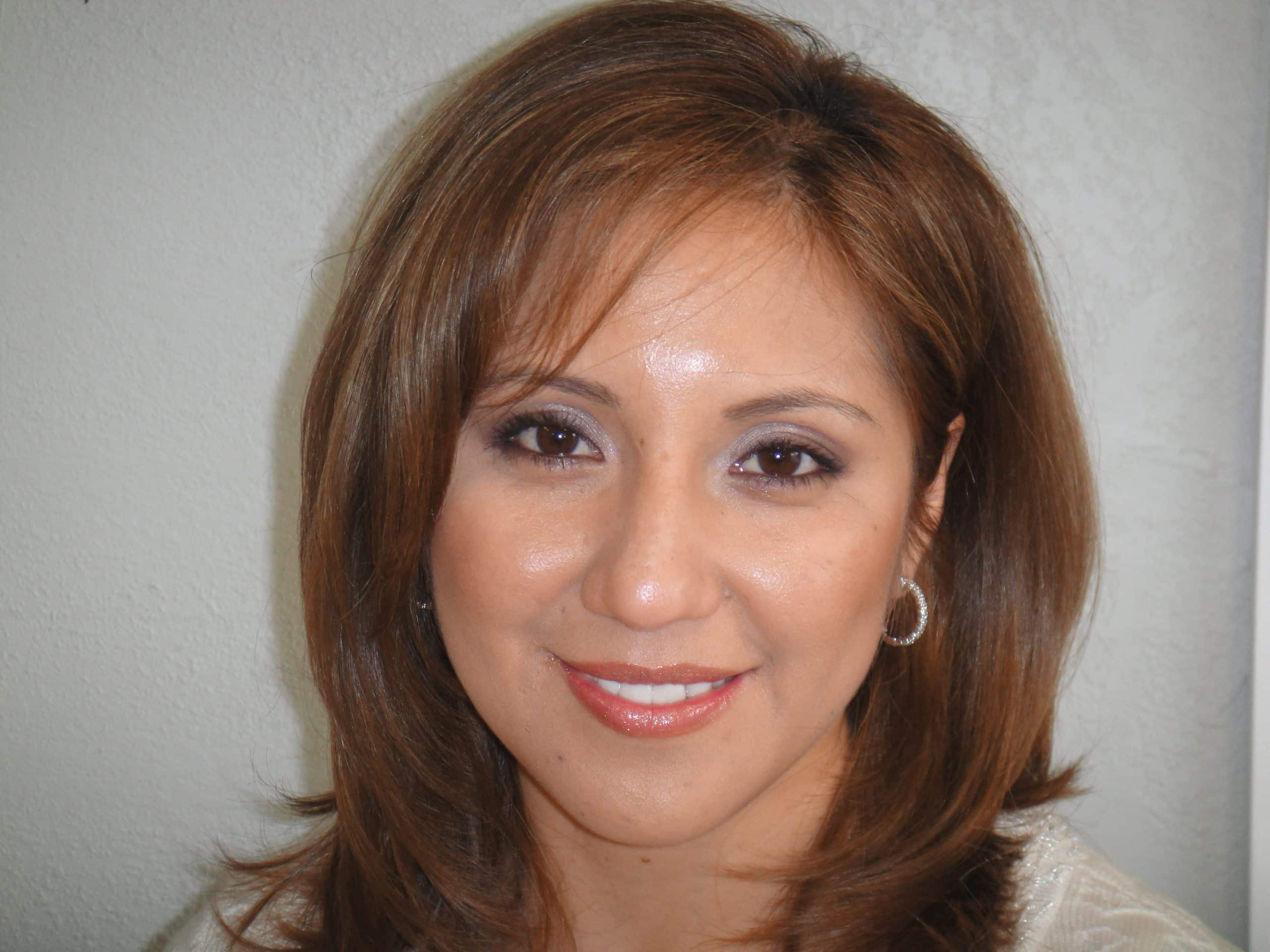
Lily Trinko is a successful entrepreneur and is Spirit Lake Garden Center’s designer. Whether you need ideas for your yard, a suggestion for a highlight in your current landscape, or inspiration for your indoor environment, Lily can create the perfect solution! In this blog, Lily writes on topics of interest to gardeners and homeowners in Polk County. She is the owner of Spirit Lake Garden Center in Winter Haven, Florida.